Separation Anxiety
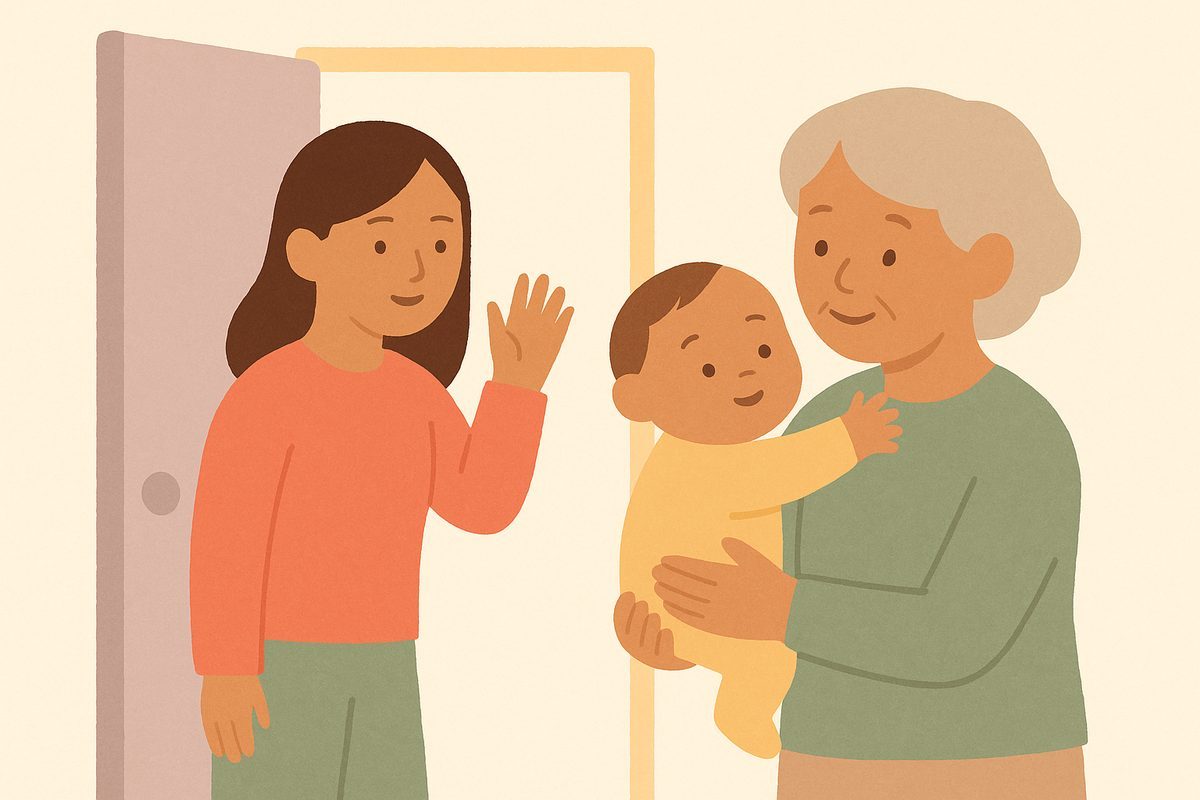
Your easygoing baby suddenly wails when you leave the room, clings at daycare drop-off, and treats Grandma like a stranger. It feels like a step backward — but separation anxiety is actually a milestone worth quietly celebrating.
Why it's a good sign
Around 6–9 months, babies develop *object permanence*: the understanding that things (and mothers) still exist when out of sight. They now know you've gone — they just can't yet grasp that you always come back. That gap between knowing and trusting is where the tears live. Separation anxiety typically appears around 6–8 months, peaks somewhere between 9 and 18 months, and fades as trust and memory mature. Stranger wariness often arrives on the same schedule — also normal.
Easing goodbyes
- **Practice tiny separations:** peekaboo, and cheerfully narrated exits to another room — "Mommy's getting laundry, back in a minute!" — build the coming-back muscle.
- **Create a goodbye ritual:** short, warm, and identical every time. A kiss, a phrase, a wave at the window.
- **Never sneak out.** It avoids one hard moment but teaches them you might vanish anytime, which increases clinginess.
- **Keep goodbyes brief and confident.** Lingering and looking anxious tells them there's something to worry about. Most babies settle within minutes of a caregiver handoff — ask for a text if it reassures you.
- Time separations for after naps and feeds when you can, and let them warm up to new caregivers with you present first.
When to mention it
Talk to your pediatrician if distress is extreme and unrelenting for weeks, baby can't be comforted by familiar caregivers, or anxiety comes with loss of other skills. Otherwise: this phase is evidence of attachment, not damage — you are their safe base, and that's the point.
*Always consult your pediatrician for advice specific to your baby.*
See what matters this exact week
Get age-matched play ideas and CDC milestone checklists without turning development into a race.
Get your baby's week plan